Add to Cart
Our Price: $94.95
Product Code: 501-TIN-500
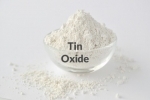
Tin oxide is a great polish for most cabbing materials, glass and any material containing quartz. It is the polish of choice for marble. Many other stones in the hardness range of quartz and softer polish best with Tin Oxide. Often, when a full polish can't be obtained on a stone, tin oxide will do the trick. The old time favorite for polishing gemstones. Mix with water and use as a slurry.
Gemworld's Premium Tin Oxide is a versatile polishing agent, noted for its 99.9% purity. Suitable for a range of final polishing applications from cabochons and tumbling stones to faceting and glass pol ...
Read more
Tin oxide is a great polish for most cabbing materials, glass and any material containing quartz. It is the polish of choice for marble. Many other stones in the hardness range of quartz and softer polish best with Tin Oxide. Often, when a full polish can't be obtained on a stone, tin oxide will do the trick. The old time favorite for polishing gemstones. Mix with water and use as a slurry.
Gemworld's Premium Tin Oxide is a versatile polishing agent, noted for its 99.9% purity. Suitable for a range of final polishing applications from cabochons and tumbling stones to faceting and glass polishing.
Tin oxide is a premium, ultra-fine polishing powder (typically 0.8 microns or ~28,000 grit) used in lapidary to achieve a mirror-like finish on stones like jadeite, agate, topaz, beryl, and jasper.
How to use Tin Oxide Polishing Powder:
Ensure the stone is completely scratch-free and sanded up to at least 1200-grit before applying tin oxide. It will not fix deep scratches.
Mixing: Mix the powder with a few drops of water (or light oil) to create a thick paste.
Application: Apply the paste to a felt wheel (for cabochons), leather pad (for faceting), or directly into a rock tumbler.
Tips:
Keep the pad damp—if it's too dry, the powder will not adhere.
Equipment: Use on motorized equipment such as a flat lap, vibrating lap, or rotary tool at a low RPM. Hand polishing requires excessive effort.
Rock Tumbling Usage Rates:
Rotary Tumbler: 2 to 4 tablespoons per kilogram of rock.
Vibratory Tumbler: 0.5 to 1 tablespoon per kilogram of rock
Tell a friend about this product
Ask question about this product
Add to Cart